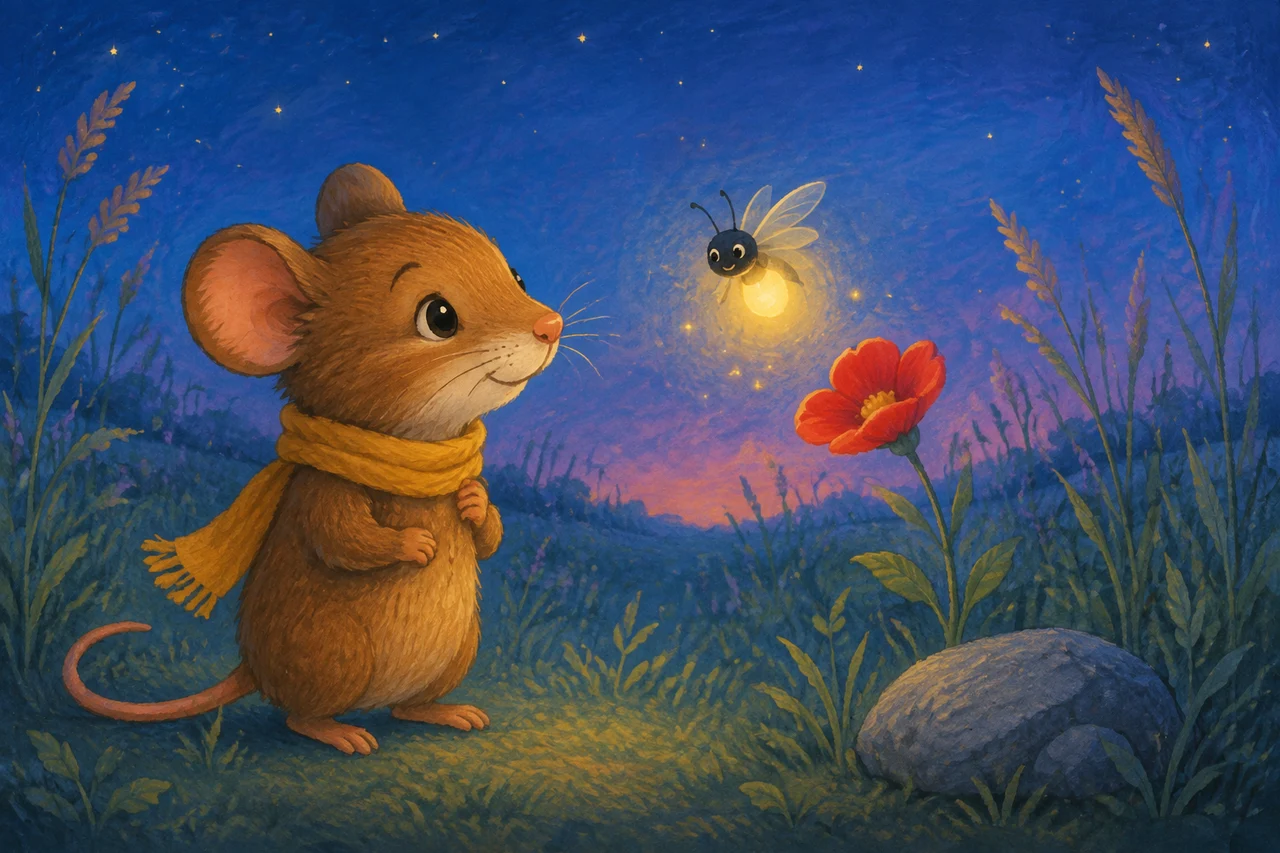
Your child wants the story but does not want to read every word. That is a useful starting point, not a failed lesson. You can read most of the page, take turns with a familiar phrase, or simply explore the illustration. Decide together what help will feel comfortable before you begin.
Try this, step by step
Choose one small piece
Let the child pick a picture or a short page, not an entire book to finish. Ask, “Shall I read first, or would you like to start?” Point out where the text begins only if that helps.
Agree how to share
You might read the sentences while your child joins in with a repeated word. Or you read one line each. Keep the meaning intact: if working out a word takes all the energy, offer to read that sentence aloud.
Help without rushing
When the child stops, wait a little and ask, “Would you like help with that word?” If yes, say it clearly, then reread the whole sentence together. A picture can help you discuss the story; it is not proof of what a printed word says.
Talk about one thing
Choose one question you genuinely want to hear an answer to: “Why do you think Pip waited?” An answer can be spoken, acted out or pointed to in a picture. It does not need to match your own idea.
What it might sound like
- Adult
- I will read: “Pip saw a small light.” Would you like to read “Pip” when we meet his name again?
- Child
- You read the long bit.
- Adult
- Of course. You can join in when you want.
- Child
- I think the light is a firefly.
Make it fit your family
Before reading words independently
Name something in the picture, let the child point, and invent a tiny sound for it. Listening to a story and talking about it already make this time worthwhile.
When some words are familiar
Choose one repeated name or a short phrase. Let the child decide when to say it; do not turn every line into a question.
When reading is becoming more fluent
Invite the child to choose a voice for a character or explain a surprise. They can still ask you to take over, and a favourite simple story is still welcome.
You do not need to…
- Timing the page, comparing readers or asking for every unfamiliar word to be repeated immediately.
- Using the discussion as a memory quiz or asking the child to guess printed words from the picture.
A warm way to finish
Stop at a moment you can find again. Say, “We found out who made the light; next time we can see where it goes.” Keep the place with a bookmark or the story reader’s saved position. Stopping early does not spoil the story.
One thing to remember
Share the reading in a way that leaves room for the story, choice and enjoyment.
Try it together
These are play ideas, not a checklist or a developmental assessment. Change the plan or stop whenever your family needs to.