2–4 yearsFinger
Finger
painting
Build coordination
and discover color.
everyday ideas
Small games that fit into real life. No hour-long setup — just start with curiosity.
 PLAY TOGETHER
5–6 years · 10 min
Find five things in one color — then make up a story that connects them.
start with what you need
Choose one real family moment. We’ll take you straight to a short activity with clear steps.
your next shared moment
more ways to spend time together
tiny wins
quick start
Build coordination
and discover color.
Notice small details
and slow down together.
Grow language, imagination
and a sense of humor.
made for this moment
Tell us what today looks like. We will choose one simple activity from the library.
Choose a few details and we will pick one small adventure.
learn by doing
Pick a skill and find a tiny activity to try today. Each one grows something useful — while still feeling like play.
one idea to remember
When a child feels safe and seen, their brain is ready to notice, try and learn.
Listen for three sounds around you and copy them together.
Make a pattern with spoons, socks or blocks. What comes next?
Move like a bear, a cat and a tiny mouse across the room.
Choose a weather word for your mood and say what might help.
Try a different age or skill to discover more ideas.
a gentle rhythm
Three small steps are enough for a day full of discoveries. Pick a pace that feels kind to your family.
Tap the button and we’ll suggest a light three-step rhythm for today.
Wake up the body.
Follow a small question.
Leave something behind.
 NEW · PLAY ON SCREEN
a quiet minute together
A gentle visual breathing game for moments when the day feels fast. Follow three easy cycles, then take the printable path away from the screen.
tiny knowledge
Tap a card to turn a “why?” into a small discovery you can make together.
for grown-ups
Play is not a test. Use this little guide to notice what your child is practicing today — and celebrate the attempt.
Young children learn through movement, repetition and naming what they see.
fresh picks

Look, cover, remember: five everyday objects become a tiny brain game.

Make a prediction, test it in water and talk about what surprised you.

Act out a feeling without words and notice the clues your body gives.
Follow a friendly balloon through three slow, calming breaths.

Find a soft thing, a round thing and a sound — then celebrate the search.

Make characters from your hands and invent a tiny bedtime performance.
A gentle picture story about ice and water, with a grown-up’s guide and a blank before-and-after sheet.

Tap a spoon, clap a rhythm and take turns being the conductor.

Draw a room map, hide a clue and guide your explorer with directions.

Collect visual clues in a real artwork and explain what your eyes discovered.

Observe changing phases and discover how sunlight makes the Moon shine.
Describe a changing cloud and turn the sky into a storybook.
Four questions about shape, colours, size and change — with pictures and an adult-led real-world guide.
Compare damp and dry seeds, then follow the first root for five days.

Copy slow movements, swap roles and finish with one shared pose.

Use touch words to describe and guess a safe hidden object.

Build, test and improve a tiny bridge for one light toy.

Turn one caring moment into a clear three-sentence family news story.
Try another word or choose a different age.
What comes next in the pattern?
Choose a shape together.
play in real life
Choose a scene that feels like today. Every photo opens a complete activity you can try together.

Copy three animals, change the speed and let the child lead.
Pick a color, make a mark and turn it into a shared story.
Five familiar objects become a gentle memory challenge.

Sort shapes, spot similarities and explain a brand-new rule.
look like an artist
Slow down with a real work of art. Tap for a new looking question, then turn what you noticed into play.
PUBLIC DOMAINKatsushika Hokusai
The artist made the giant wave feel close and Mount Fuji look tiny in the distance.
Can you find the small mountain hiding under the wave?
 PUBLIC DOMAIN
Edward Hicks
Animals that would rarely rest together share one calm, imagined place.
Which animal did your eyes find first?
 PUBLIC DOMAIN
Vincent van Gogh
Van Gogh used many yellows, greens and browns to make each flower feel different.
How many different kinds of yellow can you spot?
Images are marked Public Domain by The Metropolitan Museum of Art and are stored locally for offline viewing.
learn to read
Short original stories with large type, gentle repetition and questions to talk about together.
open story shelf
Three free classics from Project Gutenberg, each paired with a playful conversation starter.
Short animal tales about choices, clever ideas and consequences.
Old folk stories full of forests, unusual helpers and difficult decisions.
Familiar rhymes expanded into curious little stories and characters.
Project Gutenberg marks these editions as public domain in the USA. Check the law where you live before redistributing the original books.
a week of curiosity
Choose one playful moment each day. Tick it when you try it — there is no need to do everything perfectly.
Find three shades of one color.
Cross the room like three animals.
Predict what will sink or float.
Join three strange words in a tale.
Collect five discoveries with your senses.
parent pocket guide
Short, practical answers for the moments that happen in real family life.
a little help for real family life
Practical guides with a worked example, words you can borrow and a small next step. Read the full page at your own pace.
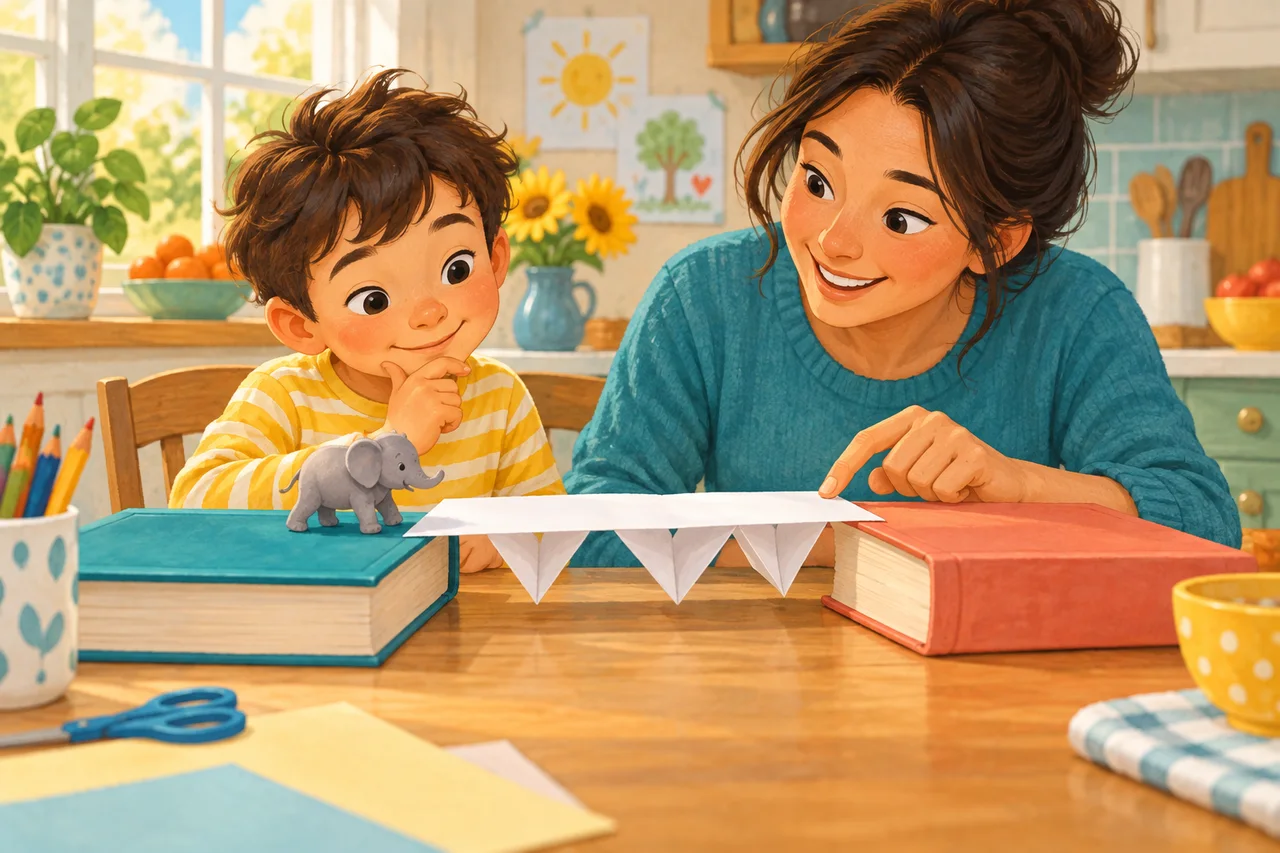
A fallen bridge, a wrong turn or an unfinished picture: help without taking over, using one small shared attempt.
Read the guide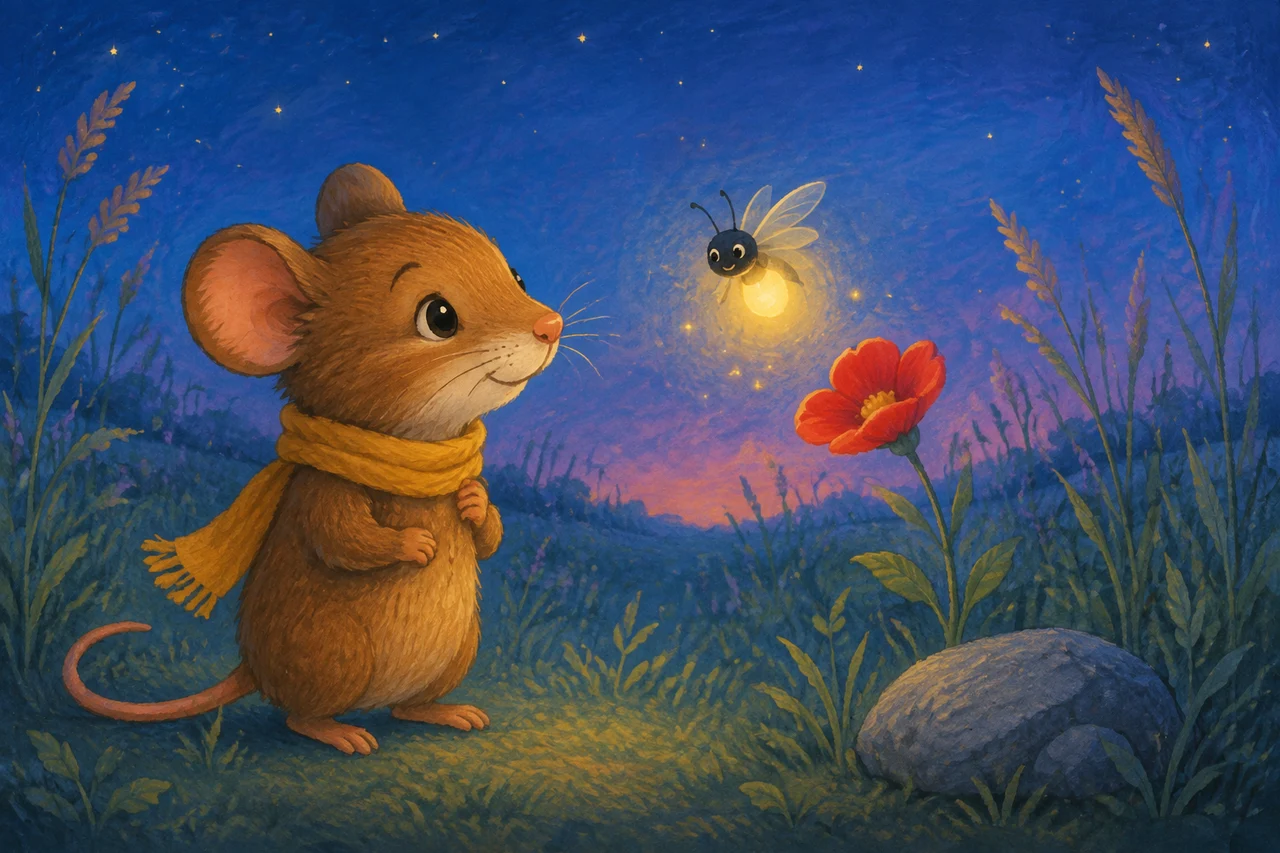
Share a picture, a few familiar words and a small conversation. The story matters more than how much a child reads alone.
Read the guide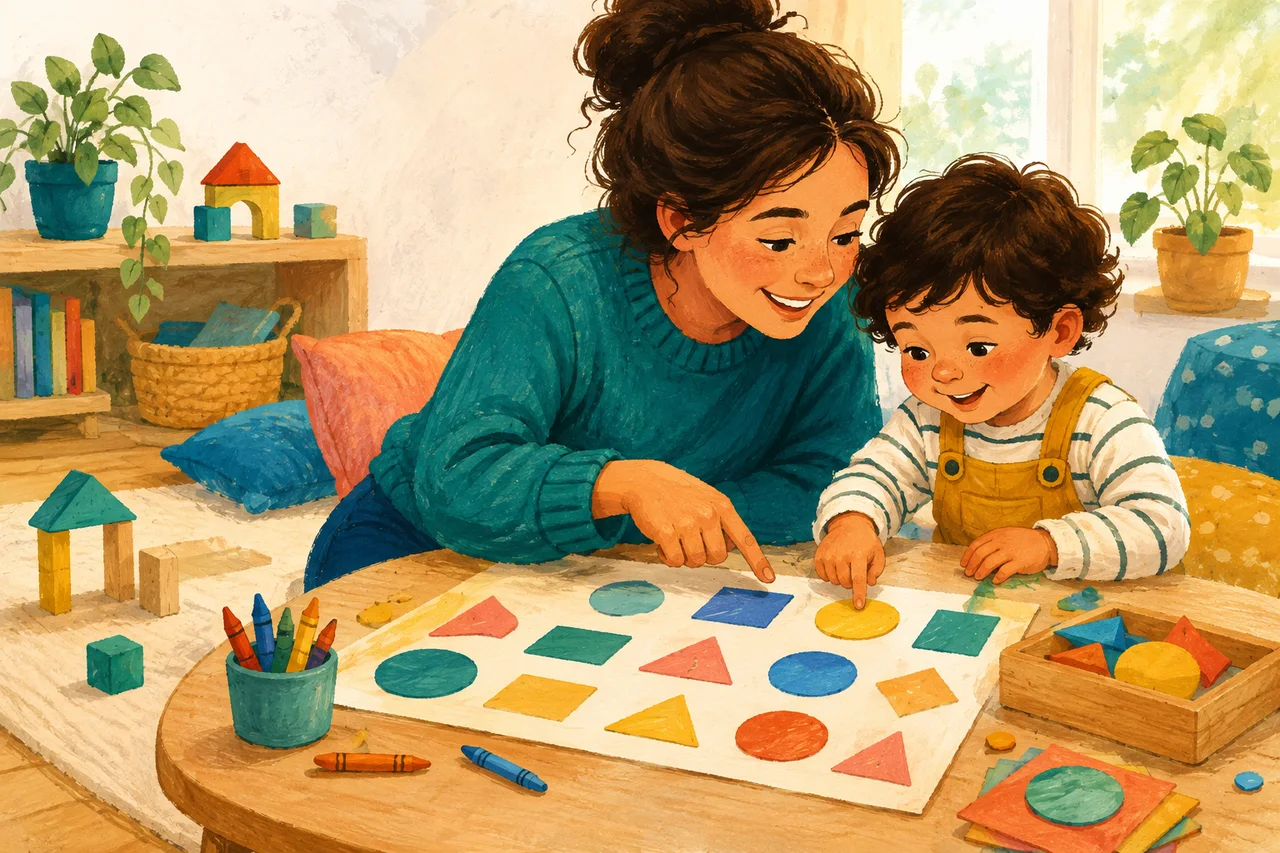
Give everyone a real role without asking the older child to become the teacher or the younger child to keep up.
Read the guide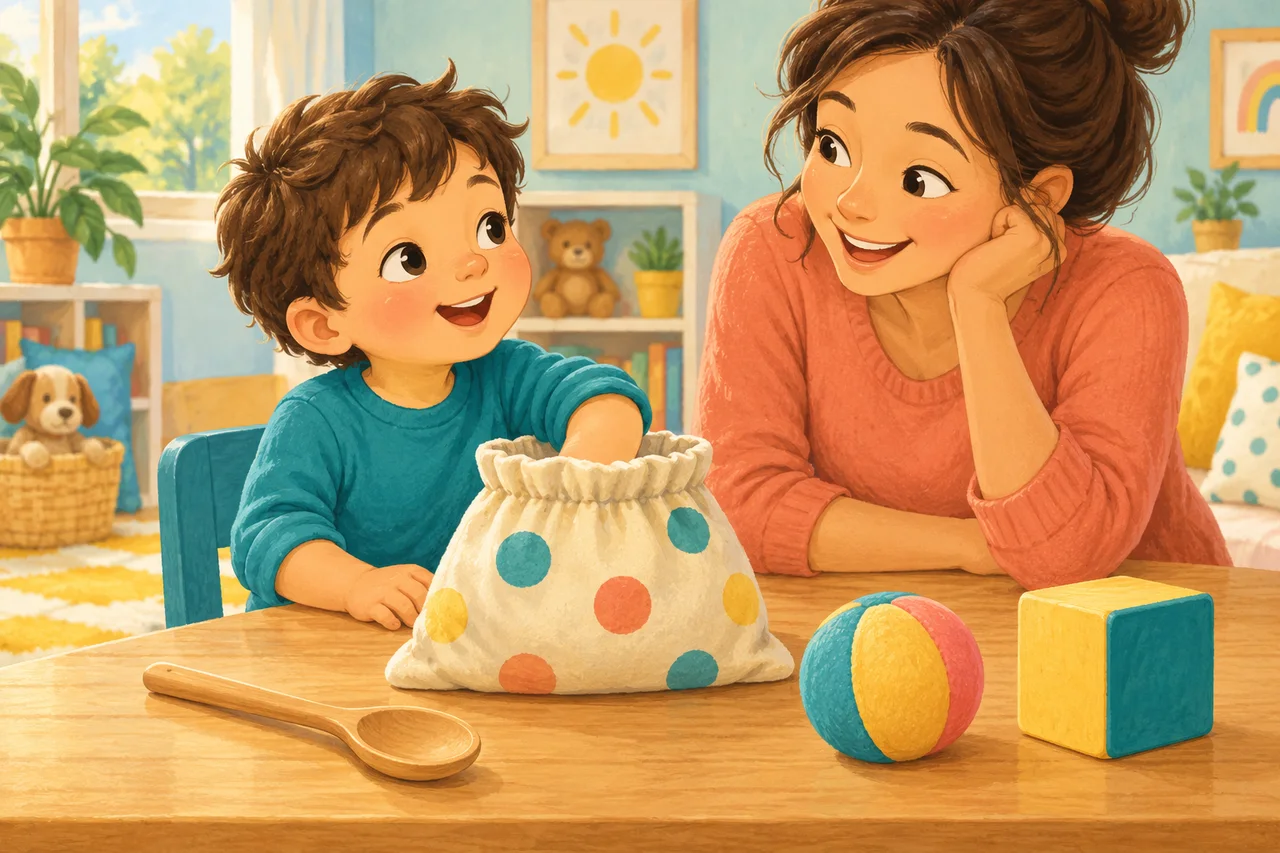
One invitation, two little rounds and a warm ending. No special supplies, full timetable or perfect mood required.
Read the guide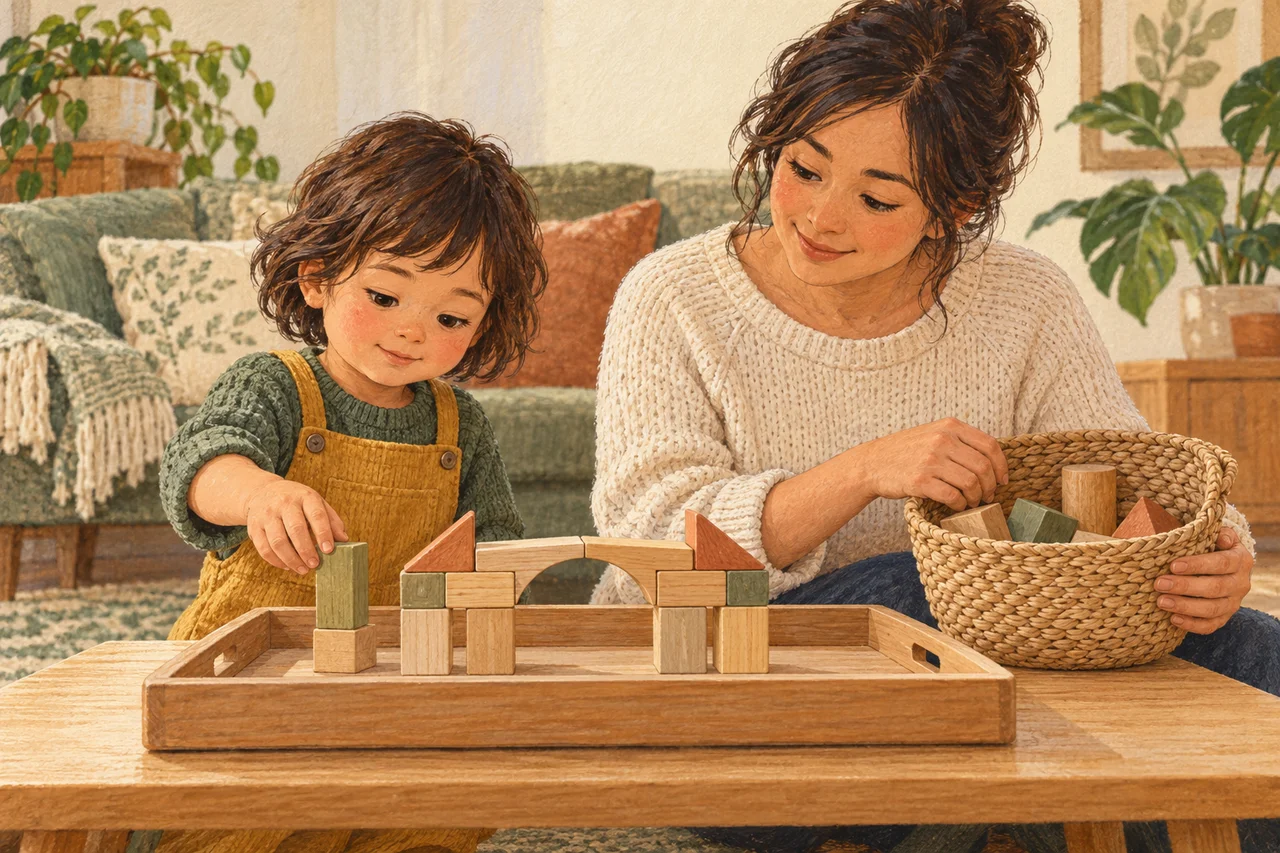
A clear ending, a small choice and a place for an unfinished idea. A practical example without countdown battles or promises you cannot keep.
Read the guideFive focused minutes can be enough. Continue while your child is curious; finish before play becomes a struggle.
Offer two simple choices, begin playing yourself or save the idea for another day. Refusing is communication, not failure.
Wait a few seconds, notice what your child already tried and give the smallest useful hint. Questions often work better than answers.
Describe the effort specifically: “You kept trying different paths.” This helps children notice their own strategy and persistence.
Treat the minute of connection as a complete game. Offer one new choice, but stop warmly if attention has moved somewhere else.
Give them different roles in the same game: one child can search or move while the other explains, records or invents the next challenge.
Pause before teaching. Name the feeling, make the next step smaller and show that changing a plan is part of learning.
Yes. Repetition builds confidence and lets a child notice something new. Change only one detail when the familiar version becomes easy.
a kind reset
Choose the closest situation and get one small, pressure-free next step.
There is no need to rescue the whole day. One calm connection is enough.
for a quiet moment
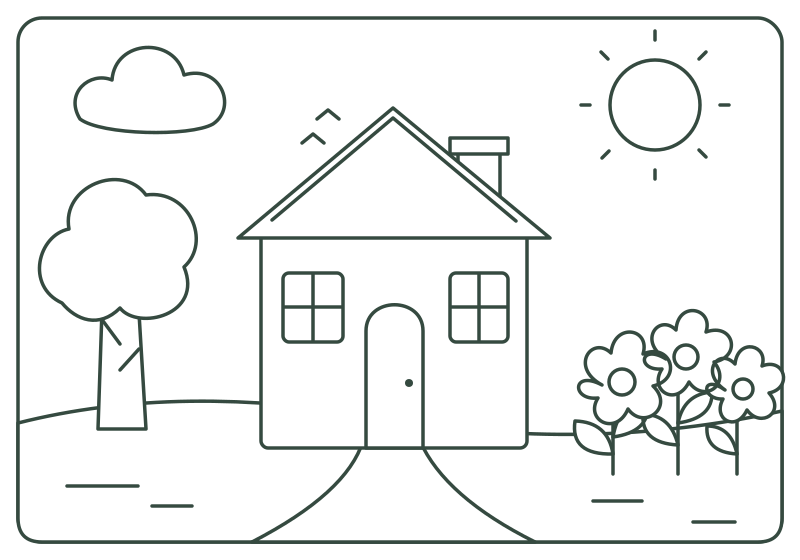
Choose a house, bunny or butterfly. Print a white outline or keep your own colors.
Open sheet ↗Paint dots, waves and spirals, then invent a trail of your own.
Open sheet ↗
Six illustrated prompts to notice, imagine or pass. Add your own marks to this blank A4 sheet; screen choices are not printed.
Open sheet ↗

Choose a picture or make one real observation with a grown-up. Draw before and later on a blank A4 sheet; screen choices are not printed.
Open sheet ↗Pick one card, copy the move and build a three-animal trail.
Open sheet ↗Compare two illustrated gardens and circle five changes. A different picture pair is available inside the game.
Open sheet ↗Choose a path or closed-window view. Print the same nine illustrated clues as the game; leave unavailable clues unmarked.
Open sheet ↗Study five objects, fold the sheet and circle what you remember.
Open sheet ↗

Three blank records for your own objects, ideas and real observations, plus a question to explore.
Open sheet ↗Choose a leaf, boat or star with 6, 8 or 10 dots. The paper page matches the game.
Open sheet ↗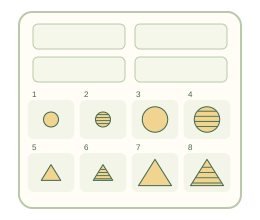
Print your current rules and the same eight illustrated pieces. Write their numbers in the blank trays; no cutting needed.
Open sheet ↗Eight illustrated pretend-story cards on two A4 pages. Take turns acting, suggesting a word and hearing the actor’s idea, without scores.
Open sheet ↗


Twelve illustrated cards: four heroes, four places and four surprises, plus a blank space for a new idea.
Open sheet ↗Plan three little scenes and give every shadow a voice.
Open sheet ↗


Choose one of four illustrated questions. Draw a guess and a real observation on a blank A4 sheet; screen choices are not printed.
Open sheet ↗Compare three paper shapes. Record the gap, block count and what really happened.
Open sheet ↗Write or dictate a headline and three observations. Keep real and imagined stories clearly labelled.
Open sheet ↗keep close
Tap the heart on any game you want to come back to later.
friends & useful links
Independent projects, channels and practical services worth keeping nearby.
Partner links open external websites. A grown-up should preview them before sharing with a child. Some include referral identifiers.Choose a year and country to explore how population, cities, forests and technology changed.
Visit partner ↗Practical examples and calculators for the systems that keep a home working.
Visit partner ↗Tools for ad blocking, DNS filtering and private connections.
A microtask marketplace. Review the conditions independently before using it.
Open service ↗
Explore shape, colours, size and change with four illustrated questions. Choose one small observation with a grown-up; the screen examples are not measurements of your real bubbles.
try it here
The guide is ready to use below. On-screen games, printable tools and private notes need JavaScript. If they do not appear, reload this page with JavaScript enabled.
before you begin
Use age-appropriate ready-made bubble solution and a bubble wand; follow the product label. A grown-up holds and handles them. Keep liquid and wands away from mouths and eyes. No drinking straws, tasting or added chemicals are needed.
Making an optional guess, describing a detail and comparing it with an observation gives practice in careful looking and explaining an idea.
made for little hands
Choose one question. Ask a grown-up to help with real bubbles. Draw, point or ask them to write. This blank sheet does not copy screen choices.
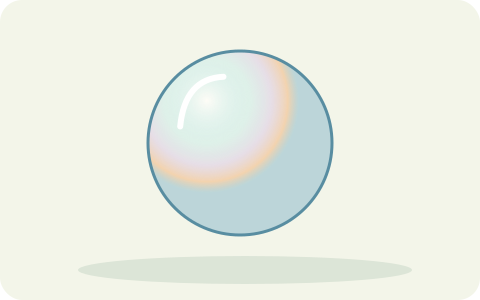
slow down & try
ask along the way
why it helps
Making an optional guess, describing a detail and comparing it with an observation gives practice in careful looking and explaining an idea.
make it fit your child
Start where it feels comfortable and change the challenge whenever curiosity changes.
small questions, real discoveries
One small observation can be a whole activity. These original drawings explain ideas; use the real activity only when a grown-up can prepare and stay beside the child.
You can use only the drawings today. For a real trial, the grown-up prepares the space and a ready-made bubble kit.
A guess is optional. Ask what the child actually noticed, rather than asking them to match the drawing.
If you repeat, change just one thing where practical. A different result or a popped bubble is useful to notice.
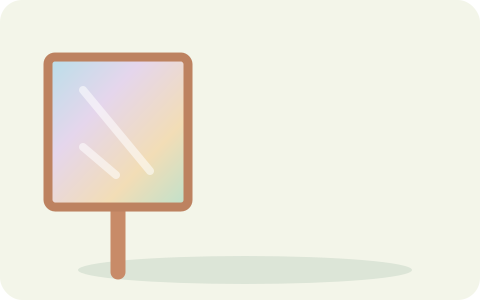
Does the shape held by a frame have to be the shape of a free bubble?
A square frame holds a flat soap film.
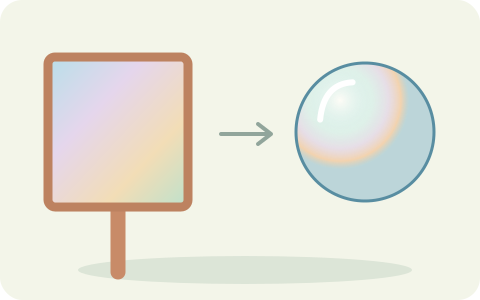
A separate bubble is drawn beside the frame. It is rounded like a ball, not a flat paper circle.
A question to share: What was still attached to the frame, and what floated away?
A frame holds a film’s boundary. A free bubble tends toward a sphere; moving air or contact can deform it.
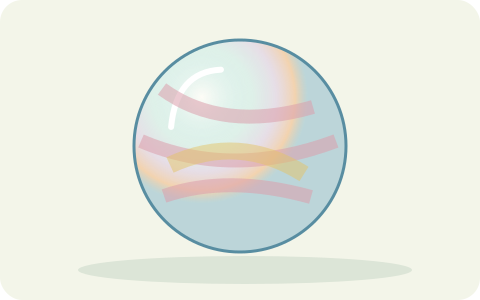
Read the science · for grown-ups · UNSW Physics ↗What might change while we look at a bubble?
A bubble is drawn with a few coloured patches.
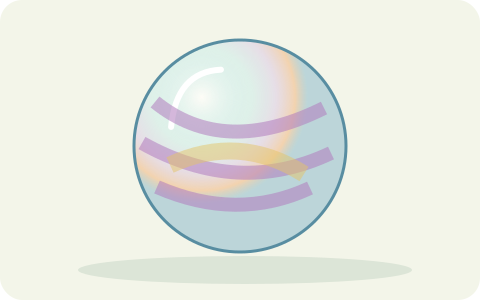
The same-size bubble has a different arrangement of colours. Real colours need not match this drawing.
A question to share: Which colour did you actually see, if any?
Reflections from a film’s two surfaces interfere. Film thickness and viewing conditions affect the colours; they are not added paint.
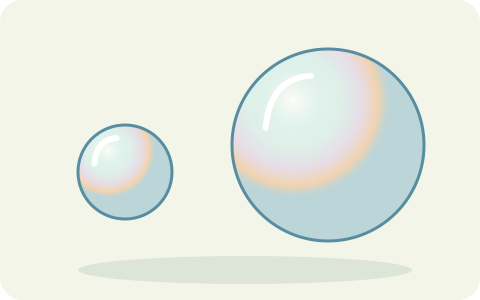
Read the science · for grown-ups · Exploratorium ↗Could two bubbles be different sizes and still have something in common?
Two bubbles are drawn beside one another at different sizes.
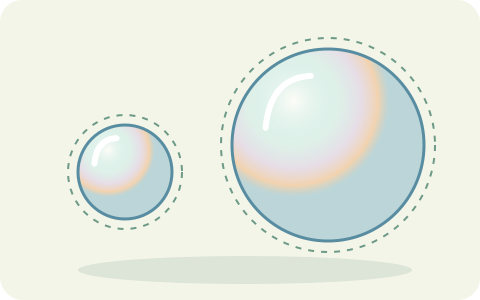
Dotted outlines help compare their rounded shapes. The drawing does not measure real bubbles.
A question to share: What looks alike, and what looks different?
A sphere encloses a given volume with the least surface area. Free bubbles can be different sizes and still be roughly spherical.
Read the science · for grown-ups · Exploratorium ↗What could we notice if a bubble pops before we finish looking?
One whole bubble is drawn above an empty space.
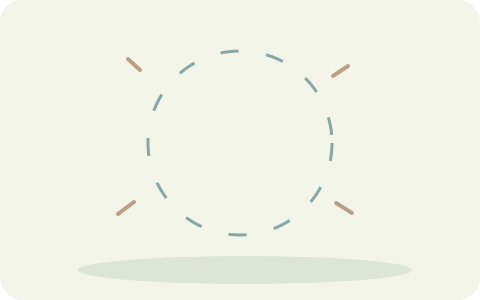
A broken dotted outline marks where it was. This is a drawing, not a countdown or a promise about when bubbles pop.
A question to share: What did you notice just before it disappeared?
A bubble’s thin liquid film can break. Water loss and surrounding conditions affect its life; this drawing does not predict a duration.
Read the science · for grown-ups · Exploratorium ↗a complete play guide
A simple rhythm for beginning, noticing progress and continuing another day. Bubble laboratory — 12 min.
Gather: age-appropriate ready-made bubble kit, a safe bubble wand, a towel for spills, optional paper and a pencil.
You can use only the drawings today. For a real trial, the grown-up prepares the space and a ready-made bubble kit. A guess is optional. Ask what the child actually noticed, rather than asking them to match the drawing.
What did you think might happen, and what did you really notice?
skills in this game
Making an optional guess, describing a detail and comparing it with an observation gives practice in careful looking and explaining an idea.
Following the steps connects an idea with an action and a result.
Explaining a choice grows language, confidence and reflection.
notice, do not test
These are invitations to notice—not a checklist your child must complete.
Starts one step with less help.
Stays curious after a surprise or tries another way.
Uses a new word, movement or idea to explain a choice.
words that open thinking
Tap a question for a gentle follow-up. Ask just one, then leave room for the child's own idea.
Pause and wait. A child may need several quiet seconds.
Ask: “What helped you notice that?”
Let the child choose one small change for the next try.
Choose one question — there is no need to ask all three.
keep curiosity going
You can use only the drawings today. For a real trial, the grown-up prepares the space and a ready-made bubble kit.
Invite your child to prepare one part, explain the rule and decide when the game is finished.
If you repeat, change just one thing where practical. A different result or a popped bubble is useful to notice.
remember the moment
What made your child smile? Keep one thought here for the next play day.
Open the family notebook →
look & learn
think together
a month of little moments
talk with Lumi
today's little mission
Lumi's word of the day
four gentle weeks
 1
 2
 3